

A solid online presence is essential for businesses to succeed in today’s digital environment, and search engine optimization (SEO) is a crucial driver of online visibility. A well-rounded SEO content strategy helps companies rank higher in search results and grow organic website traffic. In this post we break down the components of an effective SEO content strategy, the best practices for implementing it, and how to overcome the common challenges along the way. Let’s dive in!
What is an SEO content strategy? An SEO content strategy is a plan for creating and optimizing content around the keywords your audience searches for. It aligns keyword research, content creation, and link building so your site ranks higher and attracts steady organic traffic.
Knowing the Value of SEO in Digital Marketing
Understanding the function of SEO in obtaining online exposure is essential before we dig into the elements of an efficient SEO content strategy. In simple terms, SEO is optimizing a website and its content to rank higher SERPs for relevant keywords and phrases. Your chances of obtaining organic traffic and increasing your website’s visibility among potential buyers grow if it appears among the top search results.
However, ranking on the first page of search results is one of the many benefits of SEO. It involves making your website simple for search engines to find and ensuring it offers users valuable and pertinent content. You may enhance your website’s overall user experience by applying SEO best practices, making it more accessible and user-friendly.
The selection of keywords is one of the most critical SEO factors. You may tailor the content of your website to correspond with the search queries used by your target audience when looking for comparable goods or services by identifying the terms and phrases they use. It increases the likelihood that your website will appear in pertinent search results by helping search engines determine the relevance of your website to particular search phrases.
How SEO Impacts Business Growth
Must be considered the impact of SEO on business growth. More possibilities for your target audience to find your goods or services arise from a higher presence in search results. Increased organic traffic boosts brand awareness and can result in higher conversion rates and sales.
When your website is better positioned in search result pages SERP, it establishes credibility and trust among potential customers. Users tend to perceive websites on page one of search results as more popular, reliable, and trustworthy. It can significantly impact their decision-making process, increasing conversions and sales for your business.
Additionally, SEO is a more affordable marketing tactic than other digital marketing channels. While paid advertising can yield immediate results, it requires continuous investment. However, SEO focuses on organic traffic, which might have a long-term positive impact. Investing in an effective SEO content strategy may enhance their competitiveness and succeed through sustainable growth in the digital arena.
The capability of SEO to target particular geographic areas is another crucial feature. Businesses may make their website more easily accessible to prospective clients by optimizing it for local SEO to find their products or services in a particular area. It is particularly beneficial for small businesses or those with physical locations, as it helps drive foot traffic and increase local visibility.
Components of an Effective SEO Content Strategy
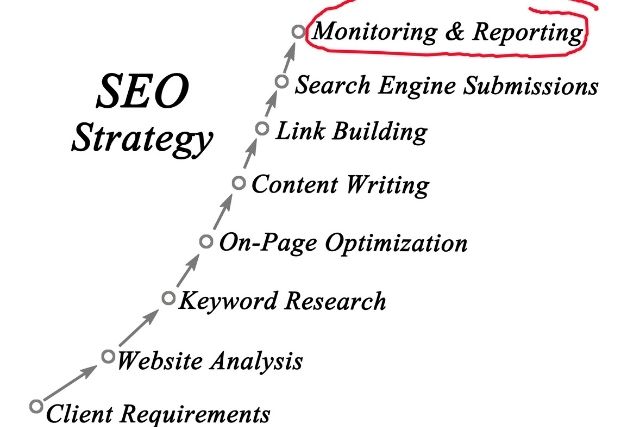
When creating an SEO content strategy, you need to consider several essential factors. Together, these elements increase your website’s visibility in search results and bring in more organic visitors. Let’s look at each component:
Keyword Research and Selection
One of the first steps in creating an effective SEO content strategy is thorough keyword research and selection. It entails figuring out the keywords and phrases your target market uses to get information about your business or specialty. You can cater your material to the demands of your audience by understanding these keywords.
Several tools can aid your keyword research and selection. Google Keyword Planner and SEMrush reveal search traffic and competition levels for specific phrases, helping you identify high-potential keywords with reasonable volume and competition. Our guide to keyword optimization for content marketing walks through the full process.
Content Creation and Optimization
Once you know your target keywords, the next step is creating compelling, informative content around them. Remember: SEO-friendly content is not just about keyword density — it must provide real value to the reader. Your material needs to be engaging, educational, and shareable. If you are new to planning content, our effective content strategy guide is a good starting point.
Along with producing outstanding content, improving your content for search engines is essential. It includes optimizing metadata, headers, and images. By improving these components, you may enhance your content’s visibility in search engine results and attract more organic traffic.
Link Building Strategies
Building links is another crucial component of any SEO content strategy. High-quality backlinks from reputable websites signal to search engines that your content is trustworthy and valuable — boosting your site’s authority and visibility.
There are various link-building strategies that you can employ to build a strong backlink portfolio. For example, you can post guest posts on relevant websites, where you contribute valuable content in exchange for a backlink. Outreach campaigns can also be effective, where you contact other website or weblog owners and request a backlink. Building relationships with influencers or industry experts can also lead to valuable backlinks.
It’s important to note that quality matters more than quantity in link building — a few trustworthy, high-quality backlinks beat dozens of low-quality ones. Focus on building relationships and earning backlinks from sites relevant to your industry or niche.
Implementing Your SEO Content Strategy
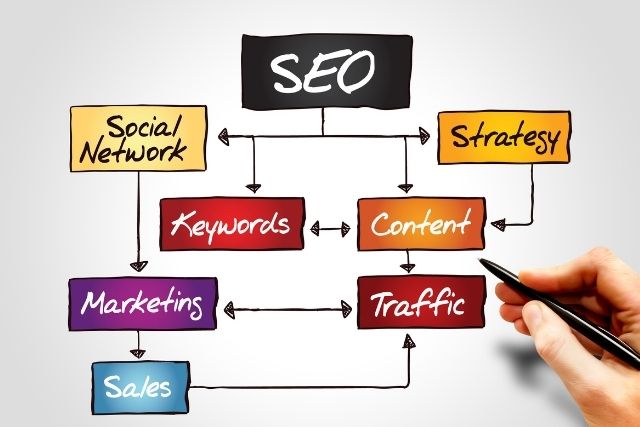
Before implementing your SEO content strategy, setting clear goals is essential. Define what you want to achieve by increasing organic traffic, improving ranking for specific keywords, or attracting a target audience. You can keep an eye on your progress and make the necessary adjustments.
Creating a Content Calendar
Consistency is vital when it comes to implementing an SEO content strategy. Your efforts to create content may be planned and organized with a content calendar. Identify the topics you want to cover and establish a publishing schedule that aligns with your goals—publishing regular, high-quality content signals to search engines that your website is active and relevant.
Monitoring and Adjusting Your Strategy
Implementing an SEO content strategy is an ongoing process that requires continuous monitoring and adjustment. Keep a close eye on your website’s performance with tools like Google Analytics or Moz — track organic traffic, keyword rankings, and user engagement. And when rankings slip, check for common SEO errors on your website before overhauling your strategy. By examining your data, you can spot areas for improvement and make smart adjustments.
Dealing with Algorithm Changes
Search engine algorithms constantly evolve, posing challenges for businesses to maintain their search rankings. Staying up-to-date with algorithm changes and adapting your SEO content strategy is crucial. Stay informed through industry publications, follow reputable SEO experts, and be prepared to adjust your system when algorithm updates occur.
Competing for High-Volume Keywords
consider utilizing local SEO strategies to target a specific geographical audience (the HubSpot local SEO guide is also a solid reference)
Ensuring Quality While Scaling Content Production
As your website grows, scaling content production becomes necessary. However, it is crucial to maintain content quality even as you increase output. Quality over quantity should always be the focus. Outsourcing content creation to experienced writers or agencies, implementing a thorough editorial process, and utilizing content management systems can help you ensure the quality and consistency of your content as you scale.
Conclusion
A well-executed SEO content strategy is essential for businesses that want to grow online and earn lasting organic traffic. Understanding SEO’s role, mastering the core components, and applying best practices will give you the skills for sustained success. Challenges will come — algorithm updates, tough competition, scaling pains — but staying adaptive and publishing valuable content keeps you ahead in the competitive digital landscape.
Need help building yours? Explore our SEO services or talk to our team and we’ll craft a content strategy tailored to your goals.